
Mineral color
Stone prepared as painting pigment.
SEOKCHAE / NATURAL ART MATERIALS
Seokchae is mineral color: the stone’s own color prepared as pigment. Discover the grain, the surface and the materials that carry it onto the page.
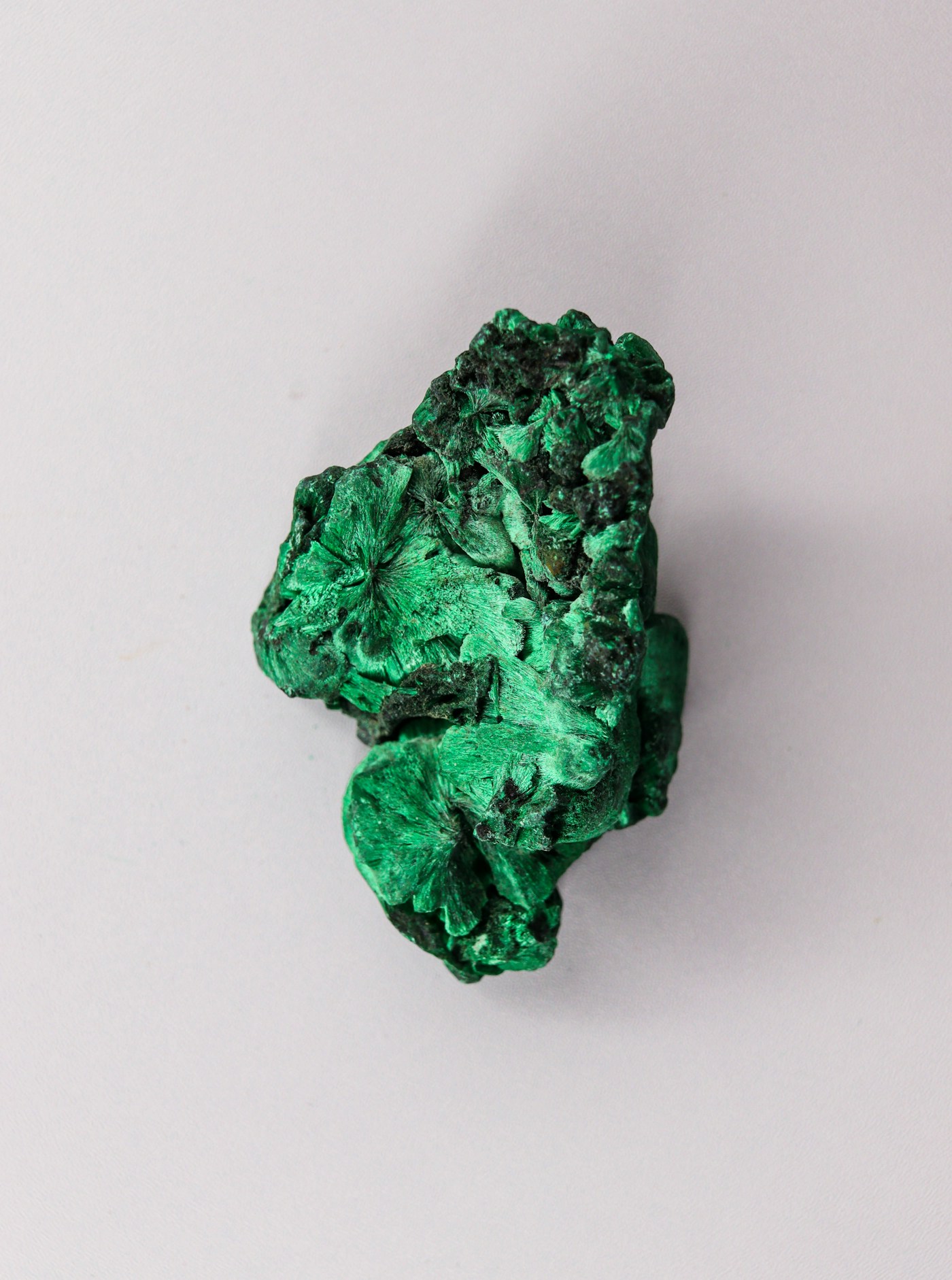
Stone prepared as painting pigment.
An earth palette with a warm rhythm.
The surface is part of the expression.
STONE / EARTH / COLOR
A small introduction to the mineral and earth colors of a traditional painter’s palette.
Mineral pigment
Azurite has been used as a blue painting pigment. The blue belongs to the mineral itself; grinding turns the stone into particles that can be carried by a binder.
For azurite and malachite, particle size can change both surface texture and apparent color. Compare the grade and a painted swatch before choosing.
Read about historical mineral pigments · GIA ↗Material examples for learning; they do not certify the composition or origin of a specific product. Screen colors are illustrative.
LOOK BEYOND THE COLOR NAME
A color name does not tell the whole story. For mineral pigments such as azurite and malachite, finer and coarser grades can look different and behave differently under the brush.
Compare an actual swatch, the particle grade, the support and the binder as a set. A grade is a material choice, not a promise that one product is always better.
Look at the softness of the surface and the way a wash spreads on your chosen support.
Notice how the individual particles catch the light and sit together in a painted area.
THE WHOLE MATERIAL STORY
A mineral pigment is a particulate color. Plant-derived color may involve dyes or other preparations. Do not treat every natural color as a mineral powder; read the actual formulation.
A prepared paint includes a binding system. Loose pigment needs the compatible preparation stated for the product. “Natural” alone does not explain that difference.
Paper, silk and a prepared surface meet paint differently. Begin your test on the material you actually plan to use for the finished work.
Look for the registered ingredient description, pigment form, grade and recommended preparation. These details will be confirmed when the final IRUMBER products are registered.
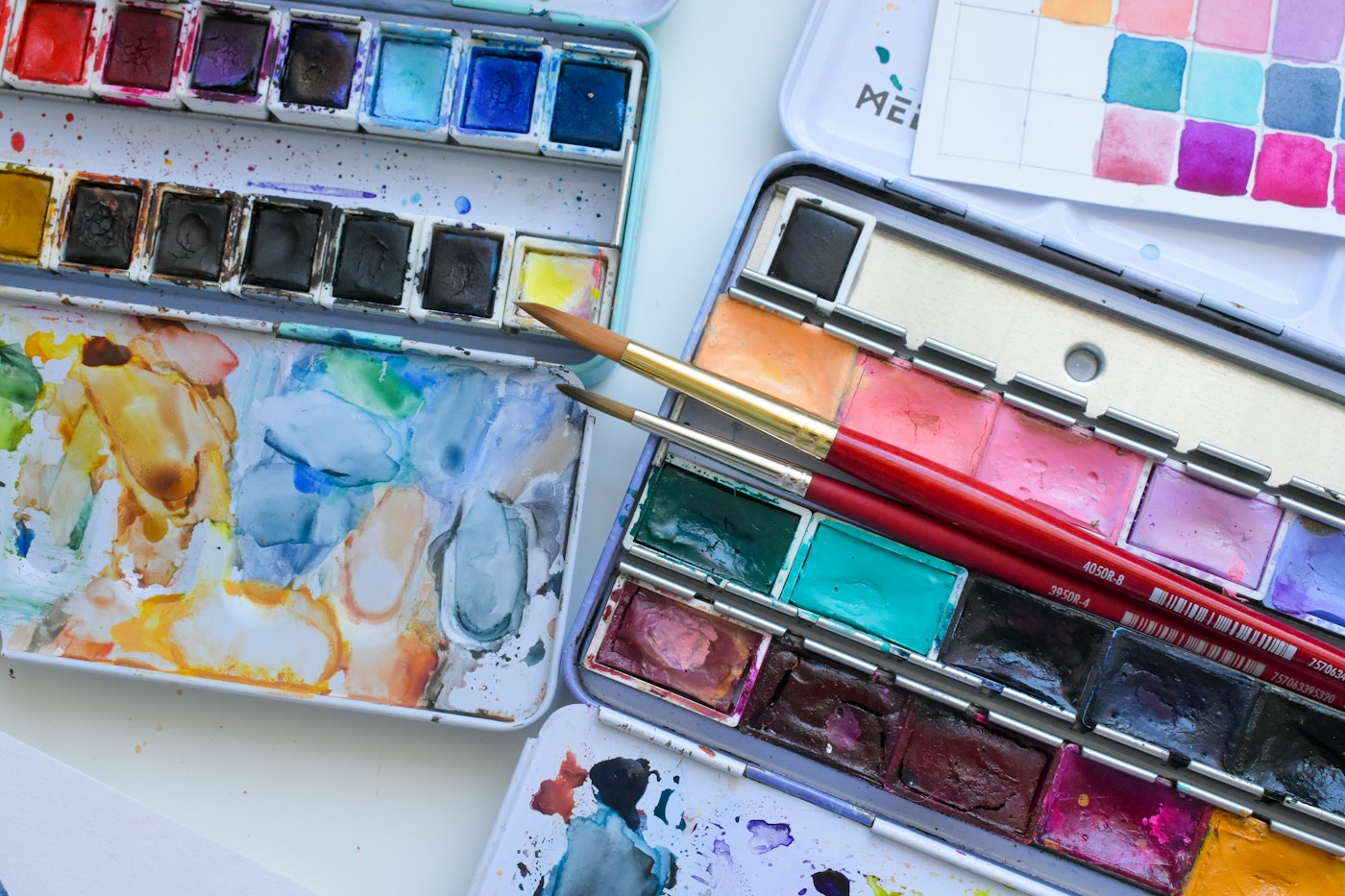
FROM MATERIAL TO EXPRESSION
Look at the surface, the water and the dried wash together. A small test sheet is a place to discover the character of a material before a finished painting.
BEGIN WITH THE RIGHT PREPARATION
Choose the form of your art material before you begin. A prepared pan and loose mineral powder have different preparation needs.
Touch the prepared pan with a wet brush. Begin with a little water and let the color soften before loading the brush.
Make a test wash on your chosen paper. Check the strength of color and the way the brush moves before beginning your piece.
Let a light layer dry before adding another. Adjust water gradually and avoid repeatedly scrubbing a wet painted area.